


What is Solid Waste Management?
Solid Waste Management (SWM) is the systematic process of collecting, transporting, processing, recycling, and disposing of solid waste in a scientifically managed and environmentally responsible manner.
Why Solid Waste Management is Important
Proper waste management protects our health, environment, and future generations. Here are six compelling reasons.
Public Health
Prevents diseases like cholera, dengue, and respiratory infections caused by unmanaged waste and pest breeding.
Clean Environment
Keeps streets, parks, and water bodies free from waste, making our city beautiful and livable for everyone.
Reduce Pollution
Stops toxic leachate from contaminating groundwater and prevents harmful emissions from open burning.
Climate Protection
Reduces methane emissions from landfills and lowers carbon footprint through waste-to-energy conversion.
Resource Recovery
Recovers valuable materials — paper, plastic, metal, glass — turning waste into economic resources.
Sustainable Cities
Aligns with SDG 11 — making cities inclusive, safe, resilient, and sustainable for future generations.
Problems encountered
Challenges faced in the collection, segregation, transportation, and proper disposal of solid waste are -
Overflowing Garbage Bins
Bins filled beyond capacity attract stray animals, emit foul odour, and spill waste onto streets, creating unhygienic conditions.
Mixed Waste Disposal
When wet and dry waste are mixed together, recyclable materials get contaminated, making processing difficult and reducing recycling efficiency
Plastic Pollution
Single-use plastics clog drains, pollute water bodies, harm aquatic life, and persist in the environment for hundreds of years.
Irregular Collection
Unpredictable collection schedules lead to waste accumulation, citizen frustration, and increased illegal dumping in empty plots.
Open Dumping
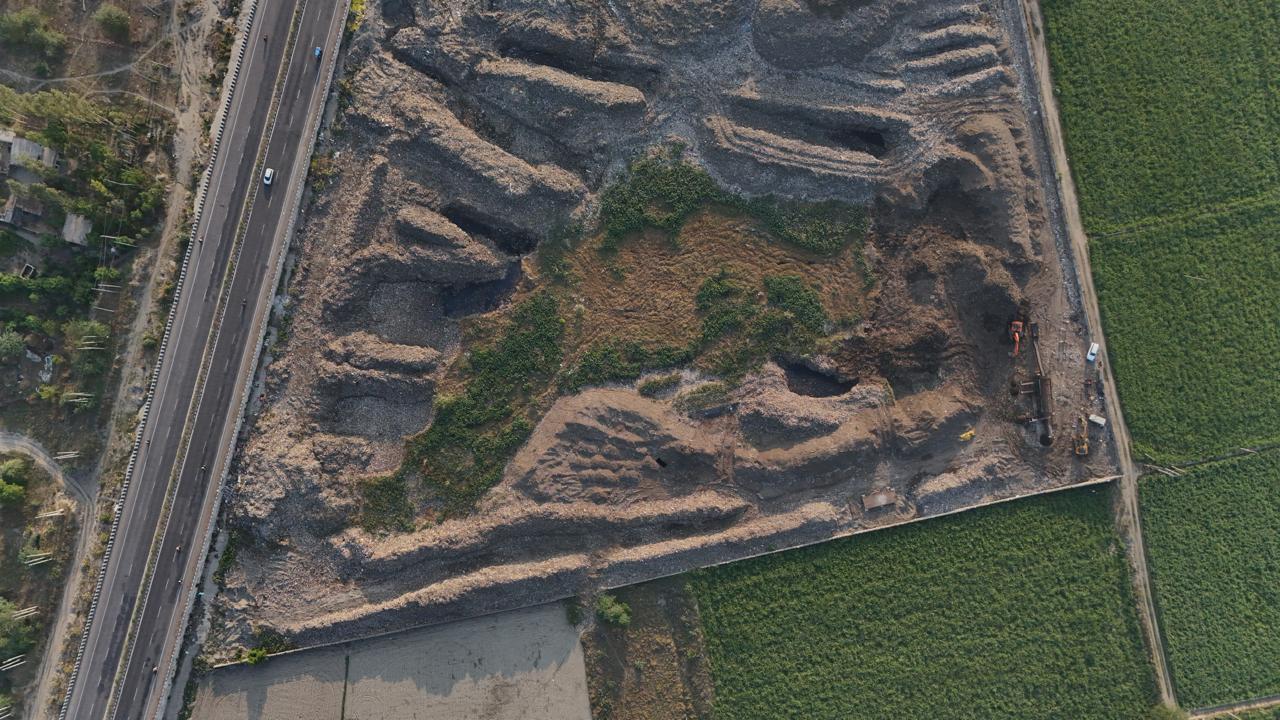
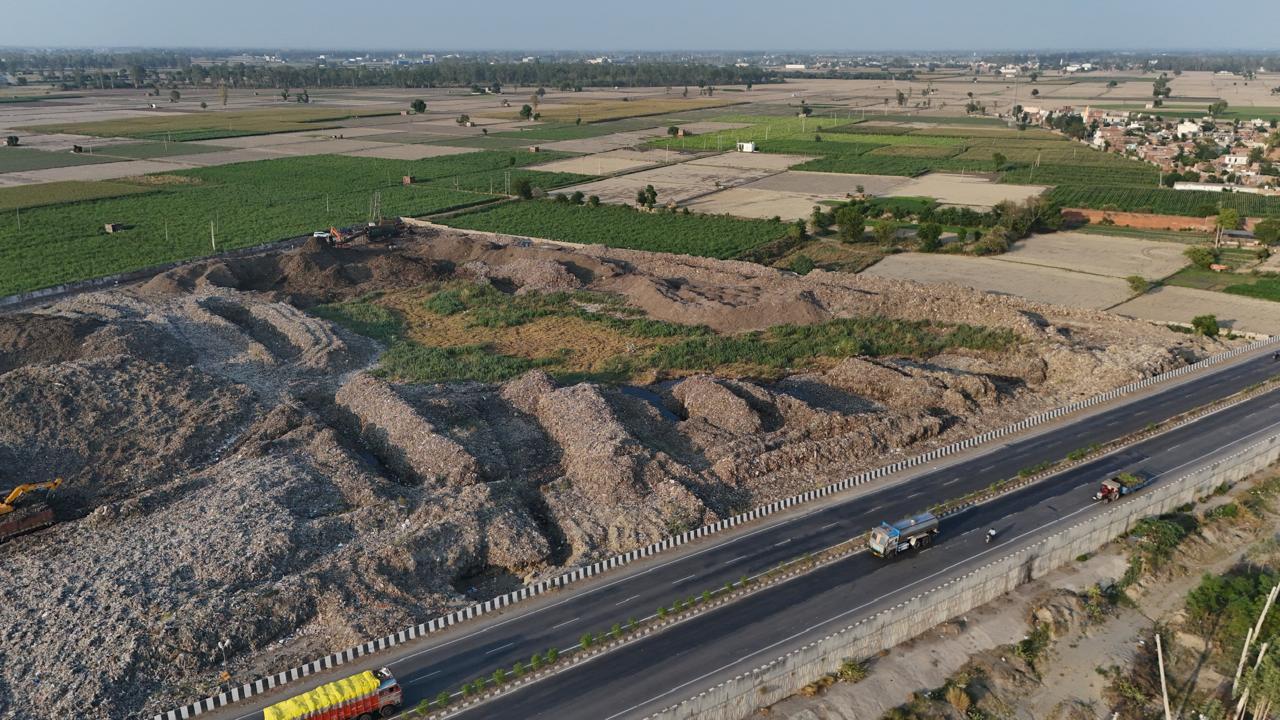
Waste dumped in open areas contaminates soil and groundwater, releases methane, and becomes a breeding ground for disease vectors.
Lack of Public Awareness
Many citizens remain unaware of segregation rules, collection schedules, and their responsibilities, leading to non-compliance.
Construction Waste
Debris from construction and demolition is often illegally dumped on roadsides, blocking drainage and creating safety hazards.
Drain Blockage
Plastic bags and debris choke storm water drains, causing waterlogging during monsoons and increasing flood risk in low-lying areas.
Burning of Waste
Open burning releases toxic dioxins, furans, and particulate matter, causing severe respiratory issues and environmental damage.
Animal Scattering
Stray animals scatter garbage from bins and dumps, spreading waste across streets and increasing the risk of disease transmission.
Municipal Initiatives at a Glance
Key performance indicators showing our progress in solid waste management across the city.
Door-to-Door Collection
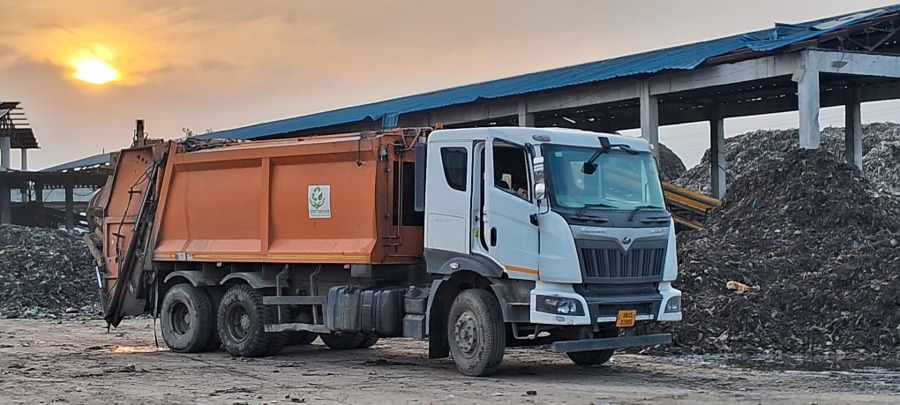
GPS-tracked daily collection across all wards
Waste Segregation
Citizens segregating at source percentage
Plastic Recycling
Plastic waste recovered and sent for recycling
Legacy Waste Remediation
Old dumpsite reclamation and biomining progress
Scientific Processing
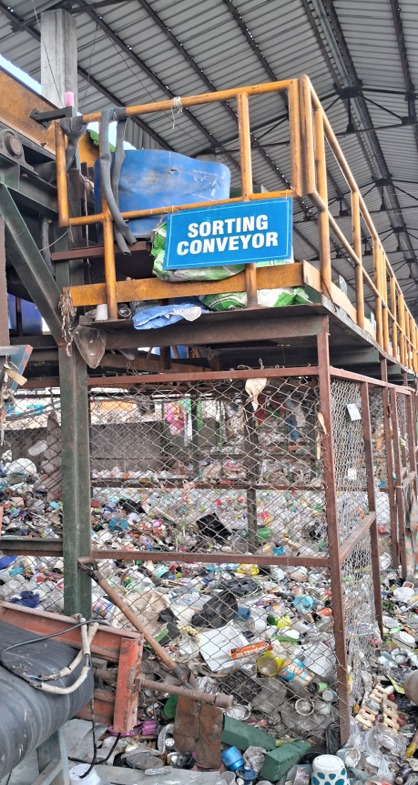
Waste processed through composting, WtE, and MRF
Citizen Participation
Active citizen engagement in SWM programs
Implementation Status
The Solid Waste Management (SWM) system in Municipal Corporation Karnal is presently operational and being implemented in a structured manner. Door-to-door collection and transportation of solid waste is being carried out across the four zones of the Municipal Corporation through the designated agency, Sugam Swachhta Private Limited. The system covers collection, transportation and processing of municipal solid waste. Further, Municipal Corporation Karnal is taking steps towards strengthening the existing system through an Integrated Solid Waste Management (ISWM) project, covering collection, transportation, processing and scientific disposal of waste. The Corporation has also issued the Solid Waste Management Rules, 2026, to improve waste management, segregation, monitoring and compliance. Overall, the SWM system is functional, with further improvements and integration being undertaken for efficient and sustainable solid waste management in Karnal.
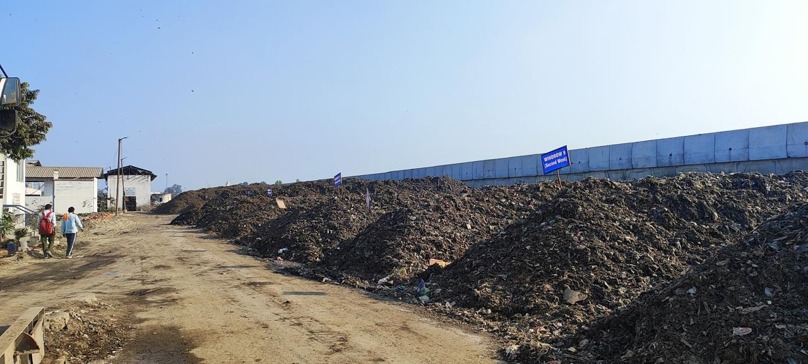
Solid Waste
Solid Waste Lifecycle
Stage 01
Solid Waste
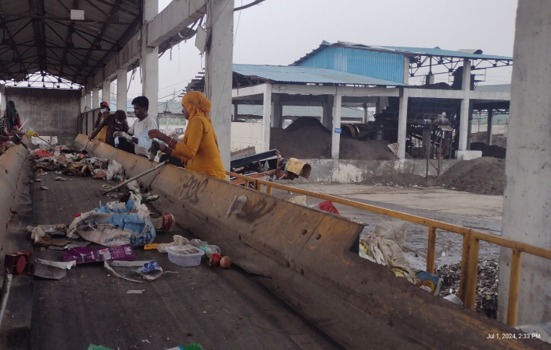
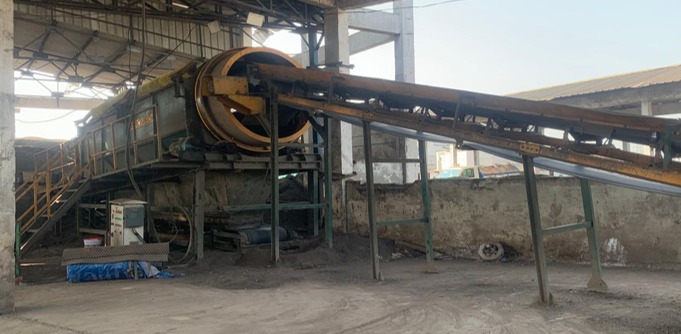
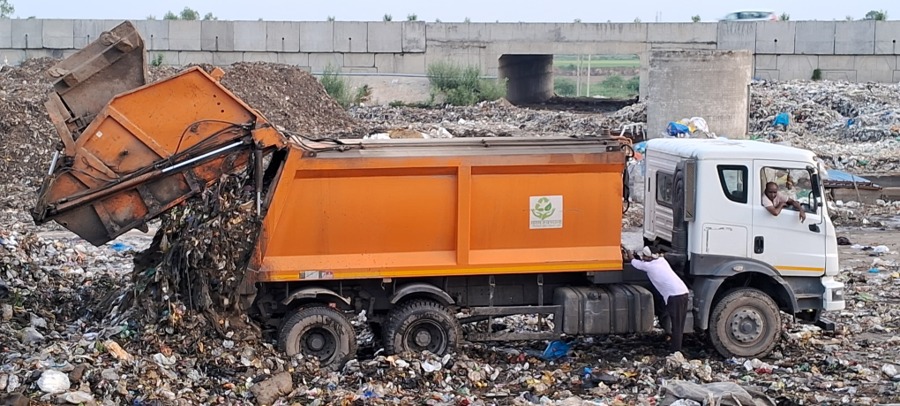
Solid waste is the unwanted solid material that people or organizations discard after use and that requires proper collection, transportation, processing, recycling, treatment, or disposal.
Stage 02
Solid Waste Degeneration
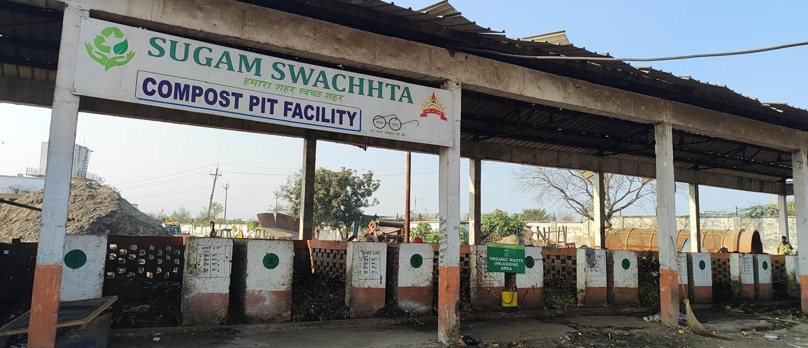
Solid waste degeneration refers to the natural decomposition or breakdown of solid waste into simpler substances through biological, chemical, and physical processes.
The rate of degeneration depends on factors such as moisture, temperature, oxygen availability, type of waste, and microbial activity.
Stage 03
Solid Waste Regeneration
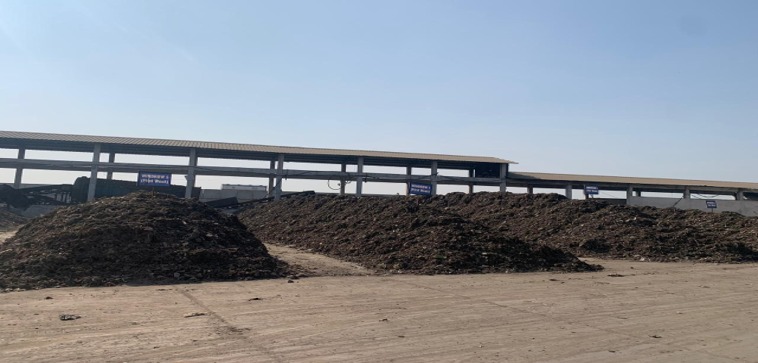
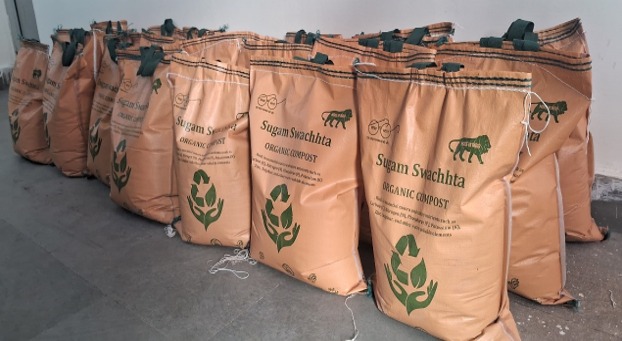
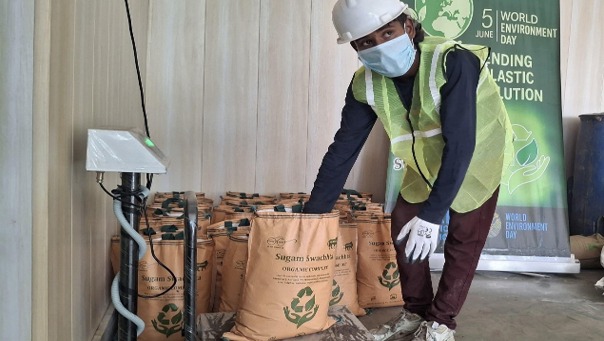
Solid waste regeneration refers to the process of recovering and converting biodegradable organic solid waste, such as food waste, vegetable waste, garden waste and other organic matter, into useful compost through biological decomposition. The resulting compost can be used as a soil conditioner or organic manure, thereby reducing the quantity of waste sent for final disposal and promoting resource recovery.
Legacy Waste
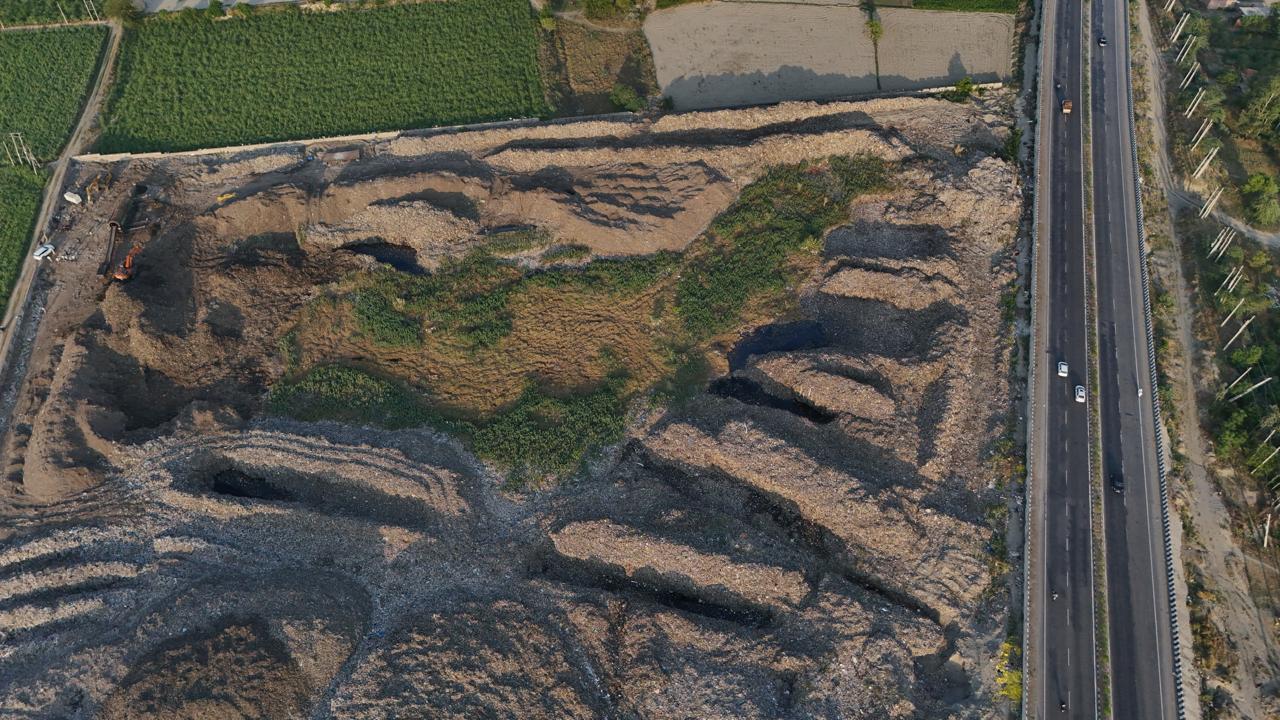
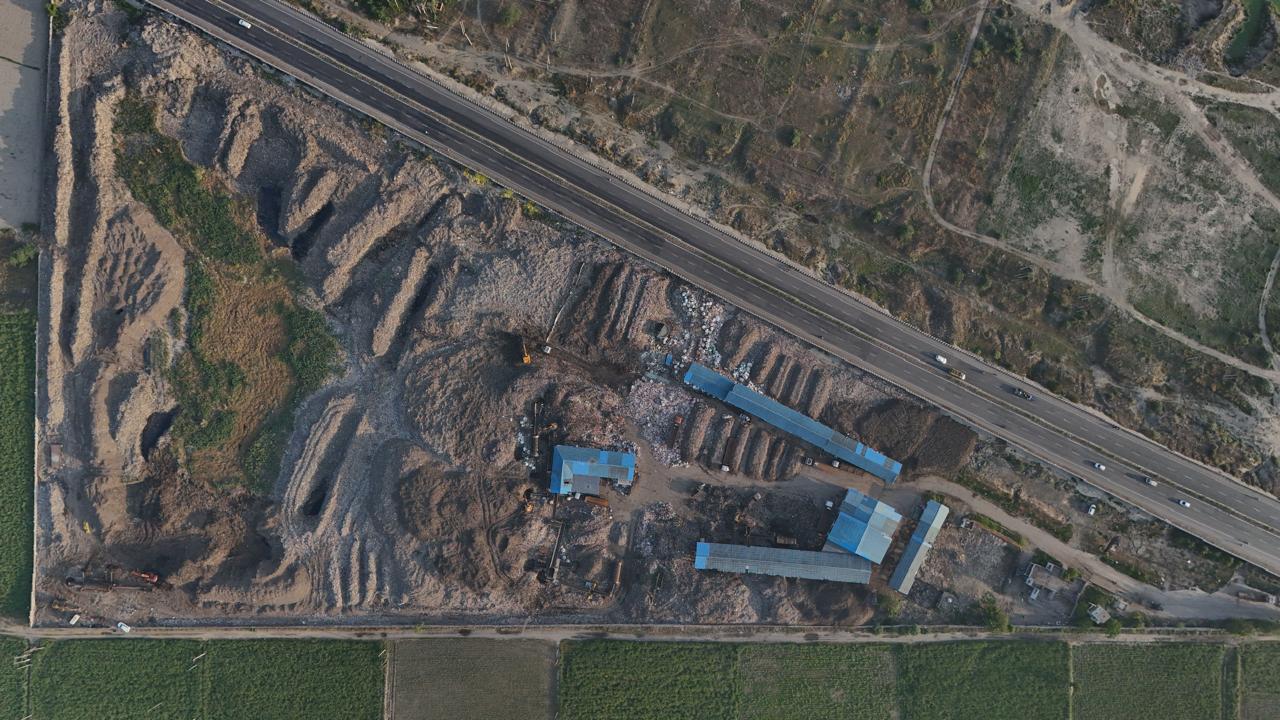
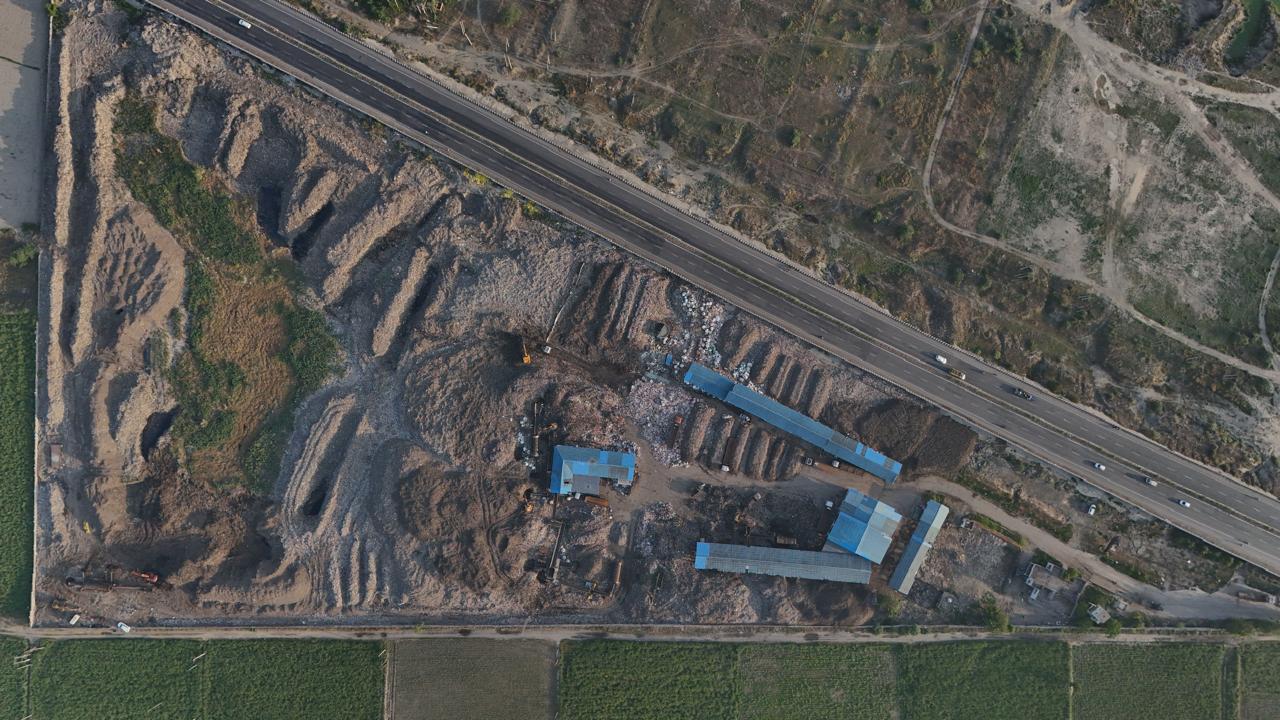
Legacy Waste Lifecycle
Stage 01
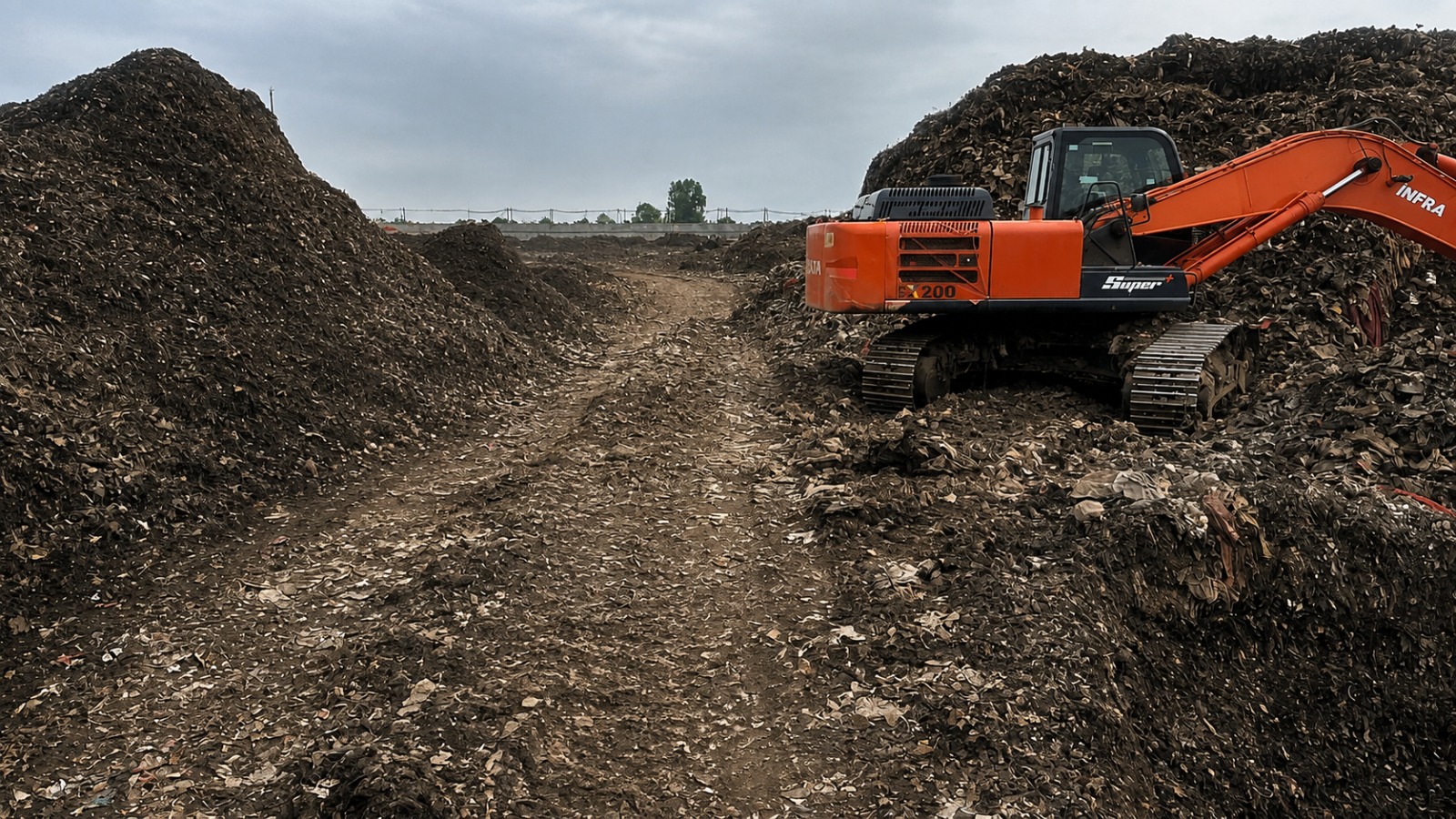
Legacy Waste
Legacy waste refers to the accumulated old municipal solid waste lying untreated at existing dumpsites for an extended period. Such waste generally contains mixed biodegradable, recyclable, inert and other materials and requires remediation through scientific processing, segregation and disposal.
Stage 02
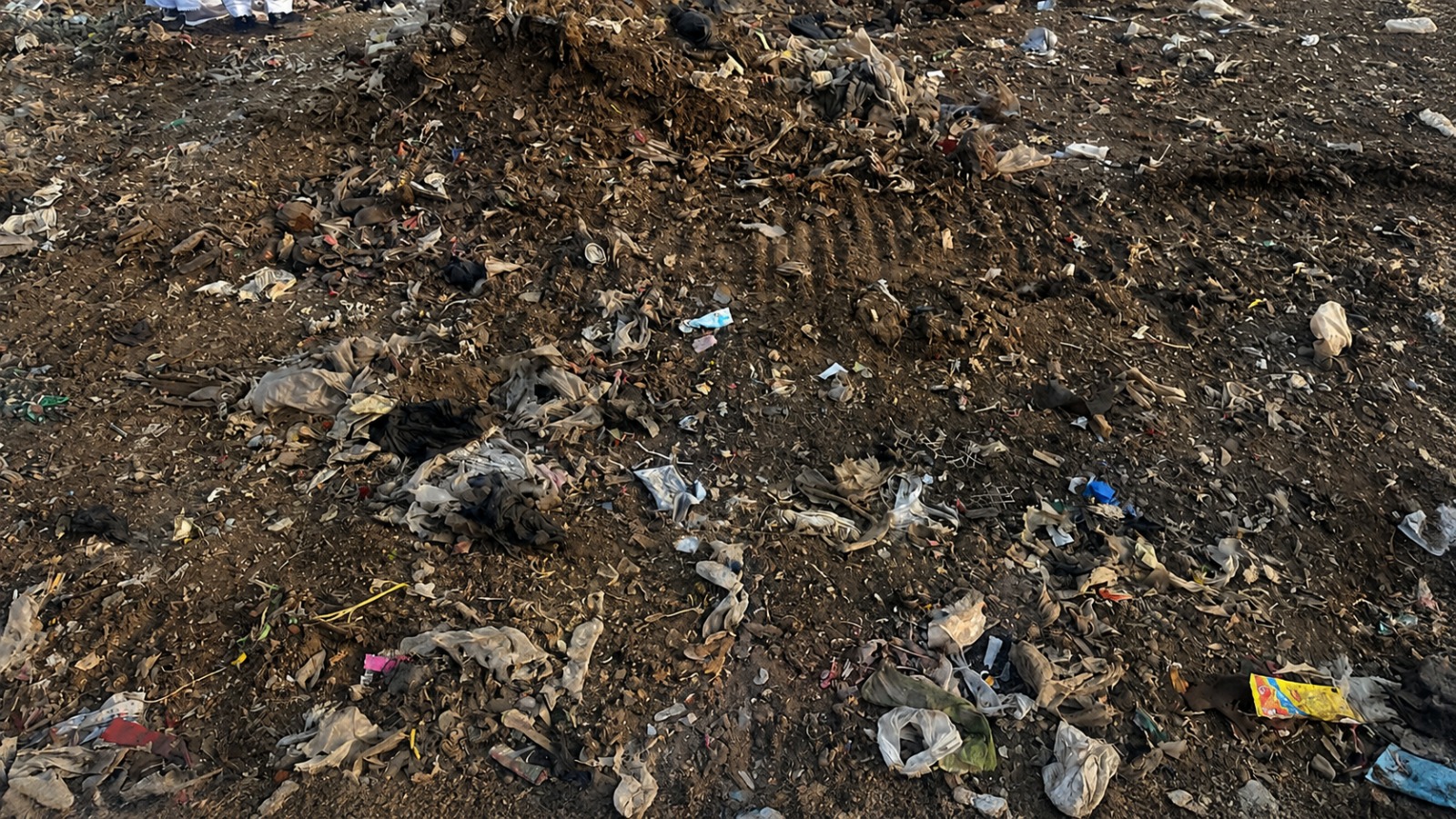
Legacy Waste Degeneration
Legacy waste degeneration refers to the gradual physical, chemical and biological deterioration of old accumulated municipal solid waste at dumpsites over a prolonged period, resulting in decomposition of biodegradable components, generation of leachate and gases, and changes in the physical characteristics of the waste.
Stage 03
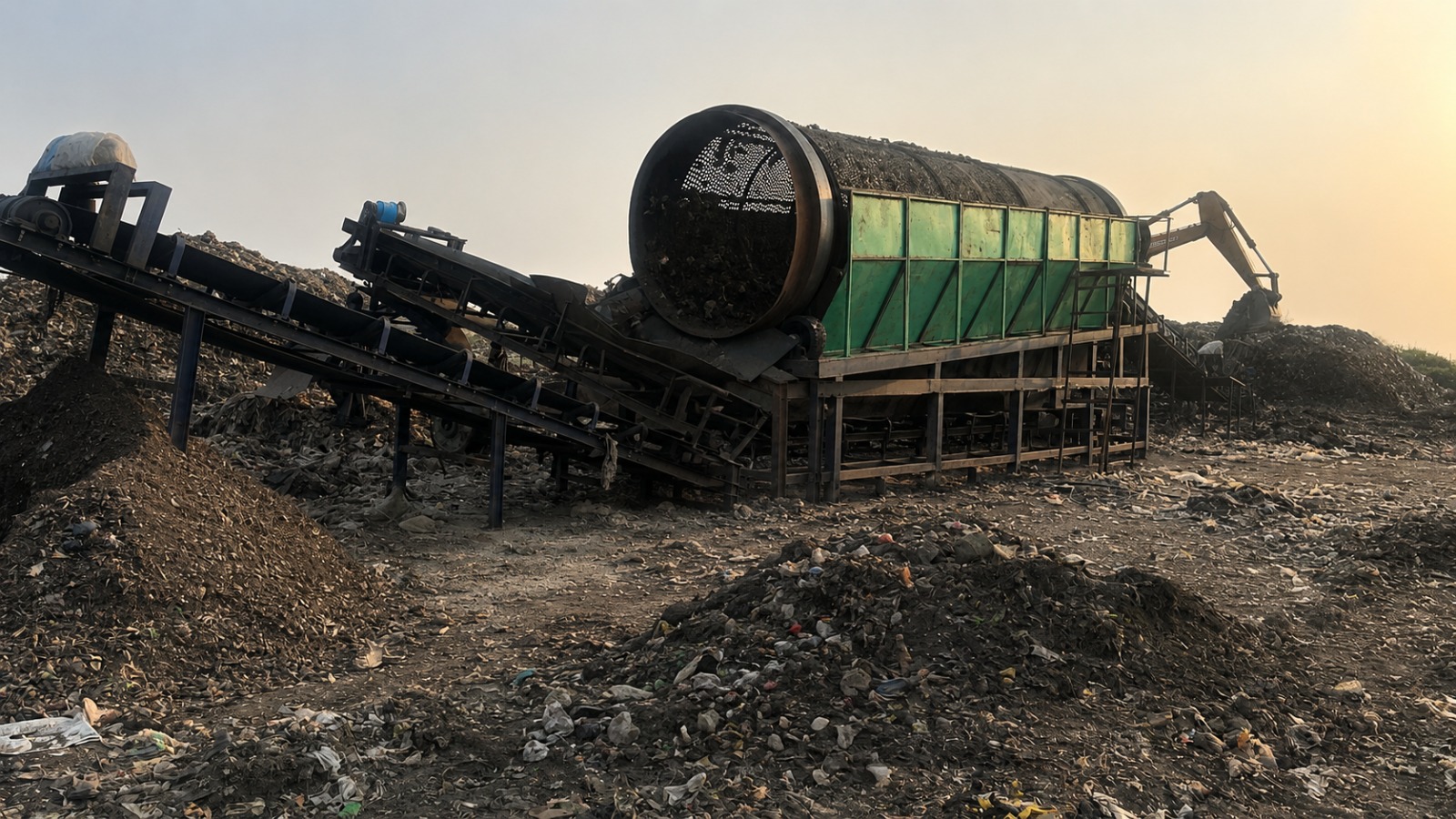
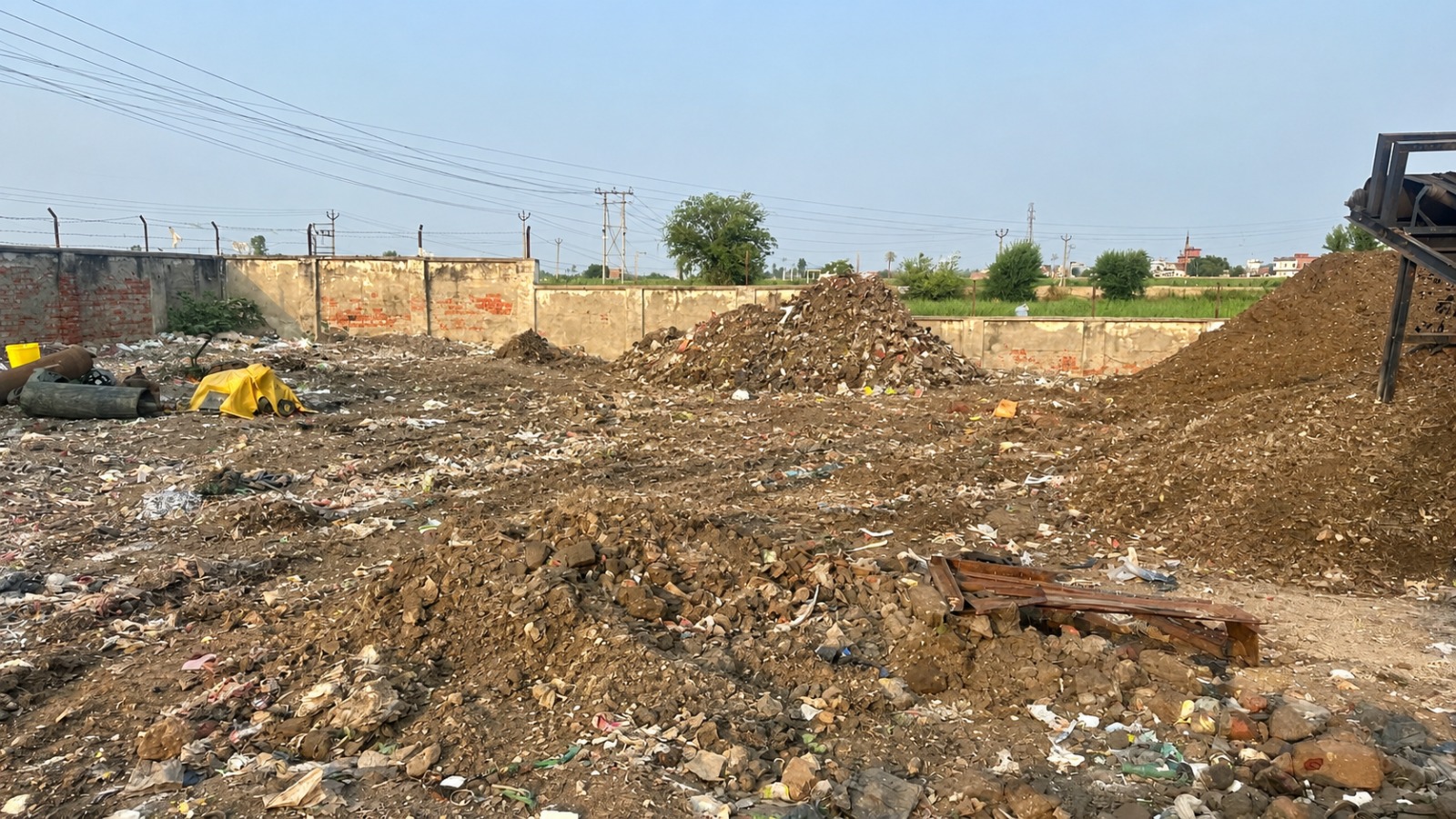
Legacy Waste Regeneration
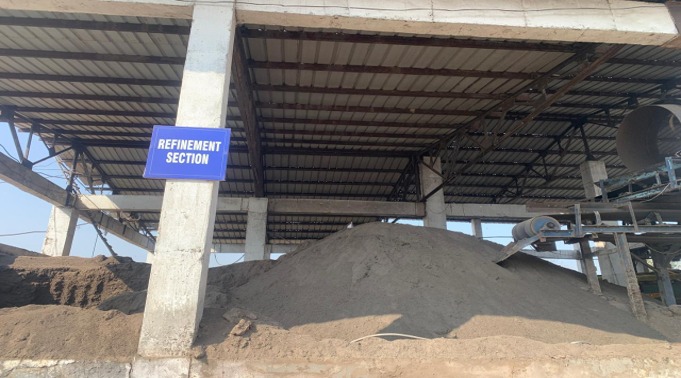
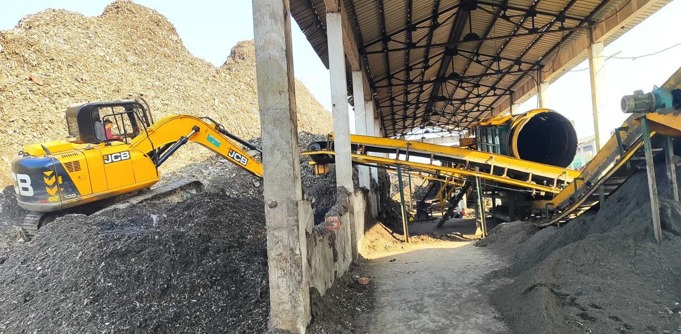
Legacy waste regeneration refers to the scientific remediation of old accumulated municipal solid waste through excavation, segregation, screening and processing for recovery of recyclable and usable materials, conversion of suitable organic fractions into compost or other useful products, and safe disposal of inert and non-recoverable material.
Waste Processing Journey
Follow the path of waste from your doorstep to its final scientific destination. Waste Generation Door Collection
Citizen Responsibilities
Every citizen plays a vital role. Here is what you can do to support waste management.
Do Not Litter
Segregate Waste
Reduce Plastic Use
Use Municipal Bins
Compost Kitchen Waste
Report Illegal Dumping
Participate in Awareness Drives
Quick Statistics
Our city's waste management performance in real numbers.
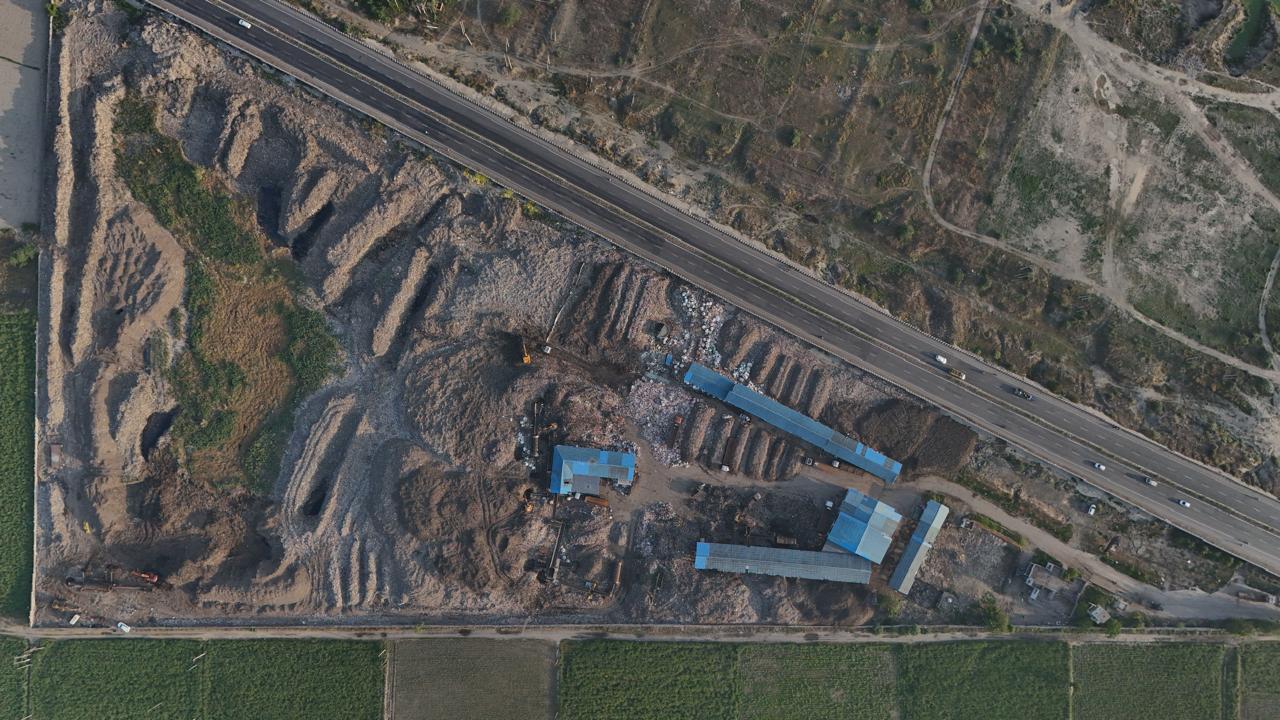
Image Gallery
Visual documentation of our waste management operations across the city.
Environmental Impact
Measurable environmental benefits achieved through scientific waste management practices.